

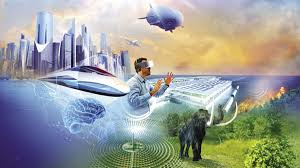
Technology has become the great engine of modern evolution, shaping new habits, simplifying routines, and expanding human possibilities in ways never before seen. What seemed like science fiction a few years ago is now part of everyday life, from smart devices in the home to advanced systems that make decisions in fractions of a second. We live in an era where innovation not only keeps pace with society but defines it.
One of the most striking transformations is in how we interact with the digital world. Powerful smartphones, virtual assistants capable of understanding natural language, and platforms that connect millions of people simultaneously have created an ecosystem where everything is at the touch of a button. Whether for work, study, conversation, or entertainment, technology has become indispensable. In the midst of this vast online universe, many users also end up exploring completely digital services, such as the website 22Bet login, which exemplifies how different interests can be met within a single virtual environment.
Artificial intelligence is undoubtedly one of the most revolutionary forces of this new era. Capable of learning patterns, predicting behaviors, and automating complex processes, AI is present in virtually every sector. It optimizes businesses, improves medical diagnoses, personalizes experiences, and even creates content that previously required hours of human labor. Automation has ceased to be a trend and has become a fundamental pillar of global productivity.
Another impressive advance is the expansion of the Internet of Things. Smart homes are already part of the routine of thousands of people, with lights, locks, appliances, and security systems that work in an integrated way. In cities, sensors monitor traffic, save energy, and improve public services. The connection between devices creates more efficient, sustainable, and comfortable environments.
Innovation has also reinvented the way we work. Teleworking and hybrid environments have gained strength thanks to digital tools that allow real-time collaboration, meetings with people from various countries, and remote access to virtually any resource. The physical boundary between offices and homes is no longer so clear, and this has opened up space for new professional dynamics.
Of course, with so much progress, the importance of digital security also grows. Protecting information has become as essential as innovation. Encryption, enhanced authentication, and intelligent threat detection systems are now part of the new normal.
What we see is that technology not only facilitates tasks—it redefines what we consider possible. With each new development, we delve deeper into an era where the digital and the real intertwine naturally. The future promises to be even bolder, and we are only beginning to explore the potential of this ongoing revolution.
