

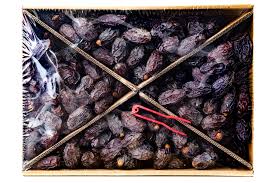
Medjoul dates, often referred to as the “King of Dates,” are among the most sought-after varieties of dates in the world. Known for their impressive size, naturally sweet taste, and soft, chewy texture, Medjoul dates have been cherished for centuries across the Middle East, North Africa, and beyond. Today, they are enjoyed globally, not just as a delicious snack but also for their numerous health benefits.
Origin and History of Medjoul Dates
The Medjoul date variety traces its roots to the ancient oases of Morocco. Historically, they were considered a delicacy reserved for royalty and the wealthy due to their rarity and superior quality. Over time, cultivation spread to regions like Israel, Jordan, Saudi Arabia, and parts of California in the United States, where the warm climate and fertile soil support their growth.
The name “Medjoul” or “Medjool” is derived from Arabic, meaning “unknown” or “mysterious,” reflecting their exotic nature when they were first introduced to different parts of the world.
Unique Characteristics of Medjoul Dates
Medjoul dates stand out for several reasons:
- Size: They are significantly larger than most other date varieties, often reaching up to two inches in length.
- Texture: Soft, fleshy, and moist with a chewy bite.
- Flavor: Rich caramel-like sweetness with hints of honey and cinnamon.
- Appearance: Wrinkled yet glossy skin with a deep brown color.
Their exceptional taste and texture make them popular for both snacking and culinary use.
Nutritional Profile
Medjoul dates are not only delicious but also nutrient-rich. They are a natural source of:
- Dietary Fiber – Aids digestion and supports gut health.
- Potassium – Helps maintain heart health and regulate blood pressure.
- Magnesium – Supports muscle and nerve function.
- Iron – Contributes to healthy red blood cell production.
- Natural Sugars – Provides quick energy without refined additives.
A single Medjoul date contains around 66 calories, making it a nutrient-dense food perfect for a quick energy boost.
Health Benefits of Medjoul Dates
Incorporating Medjoul dates into your diet offers multiple health benefits:
- Improved Digestion – High fiber content helps prevent constipation and promotes a healthy gut.
- Natural Energy Source – The combination of natural sugars like fructose and glucose provides instant energy, making them ideal for athletes and busy individuals.
- Heart Health – Rich in potassium and magnesium, which support cardiovascular health.
- Bone Strength – Contains minerals like calcium, phosphorus, and magnesium for strong bones.
- Antioxidant Protection – Packed with antioxidants that fight free radicals and support overall health.
Culinary Uses of Medjoul Dates
One of the most appealing aspects of Medjoul dates is their versatility. They can be eaten on their own or incorporated into various dishes:
- Snacking: Enjoy them plain as a healthy treat.
- Stuffed Dates: Fill with almonds, walnuts, cream cheese, or peanut butter.
- Smoothies: Blend for natural sweetness in shakes and smoothies.
- Desserts: Use in cakes, muffins, or energy balls.
- Salads: Chop and sprinkle over green salads for a sweet contrast.
Their rich flavor makes them an excellent replacement for refined sugar in recipes.
Storage and Handling
To maintain their freshness, Medjoul dates should be stored in an airtight container. At room temperature, they last for about 1–2 months. For longer storage, refrigeration is recommended, where they can stay fresh for up to 6 months. Freezing is also an option for extended shelf life without losing flavor or texture.
Why Choose Medjoul Dates?
With so many date varieties available, Medjoul dates remain the favorite for many due to their premium quality, taste, and nutritional value. They are naturally gluten-free, vegan, and free from added sugars or preservatives. This makes them a perfect choice for health-conscious individuals seeking a natural, energy-rich snack.
Moreover, their cultural significance and traditional roots add to their appeal. In many Middle Eastern households, Medjoul dates are offered to guests as a symbol of hospitality, especially during Ramadan and other festive occasions.
Conclusion
Medjoul dates are truly a gift from nature — sweet, nourishing, and versatile. Whether you enjoy them as a quick snack, a natural sweetener in recipes, or as part of a festive tradition, their rich taste and impressive nutritional profile make them a worthy addition to any diet. From their royal heritage to their modern-day popularity, Medjoul dates continue to reign as the “King of Dates” around the world.
