

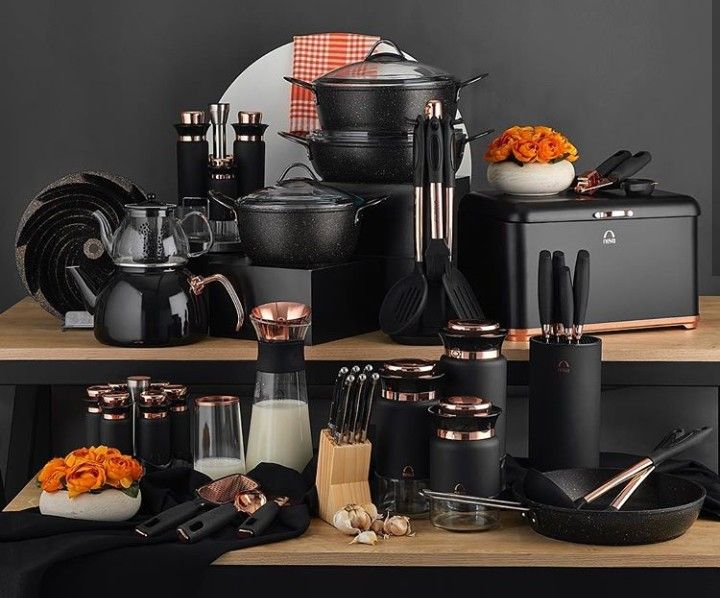
The kitchen represents far more than a room where food is prepared. It is the laboratory where raw ingredients transform into nourishment, the studio where culinary artistry takes form, and the gathering place where stories are shared over simmering pots. At the center of this transformation stand the unsung heroes of domestic life: kitchen tools. These implements represent the intersection of human ingenuity and practical necessity, evolving through centuries to become extensions of the cook’s hands and imagination. From the humblest wooden spoon to the most specialized instruments, kitchen tools form a silent language of creation that connects us to generations of cooks who came before while enabling new expressions of culinary artistry.
The history of kitchen tools mirrors the evolution of human civilization itself. Archaeological evidence reveals that our ancestors developed specialized implements for food preparation nearly as early as they mastered fire. Ancient mortars and pestles crafted from stone demonstrate the human desire to transform hard grains into digestible nutrition. Early cutting tools made from sharpened stones evolved into metal knives that became among the most personally significant possessions in any household. The development of pottery allowed for storage, cooking, and the creation of entirely new food preparations. Each advancement in kitchen tools represented not merely a practical improvement but a cultural milestone that expanded what was possible in food preparation and preservation.
Modern kitchen tools represent a fascinating blend of tradition and innovation. While the basic forms of many implements have remained consistent for generations, contemporary materials science has revolutionized their performance and durability. The molecular structure of modern alloys creates knives that maintain their sharpness through years of use. Advanced composite materials produce utensils that withstand extreme temperatures without transferring heat to the user’s hand. Ergonomic research has shaped handles to fit the human hand more comfortably, reducing fatigue and improving precision. Even the humble measuring cup has been reimagined with clarity, durability, and precision that would astonish cooks from previous centuries.
The psychological relationship between cooks and their kitchen tools reveals much about the cooking process itself. Many professional chefs develop what can only be described as personal relationships with their favorite implements. A well-balanced knife becomes an extension of the chef’s hand, moving with intuitive precision. A seasoned cast iron skillet carries within it the memory of countless meals, its surface improving with each use. This connection transcends mere utility—these tools become partners in creation, their familiar weight and balance providing comfort and confidence in the high-pressure environment of meal preparation. The care and maintenance of these tools becomes a meditative practice, a ritual of sharpening, seasoning, and cleaning that prepares both tool and cook for the next culinary creation.
The organization of kitchen tools represents a subtle art form that balances accessibility with safety, frequency of use with storage limitations. The practice of keeping frequently used implements within easy reach while storing specialized equipment elsewhere creates a workflow efficiency that experienced cooks develop over time. Magnetic knife strips, pot racks, drawer organizers, and tool crocks represent solutions to the eternal challenge of keeping essential equipment accessible while maintaining a safe and orderly workspace. The arrangement of tools often reflects the cooking style of their owner—the baker’s countertop might feature rolling pins and measuring tools, while the sauté enthusiast’s space might keep tongs and spatulas at the ready.
The cultural significance of kitchen tools extends beyond their practical application. Many traditional implements carry with them generations of culinary heritage. The Mexican molcajete, Italian mezzaluna, Japanese santoku, French mandoline—these tools represent not just functionality but cultural identity and culinary tradition. Learning to use these implements properly means connecting with cooking methods that have been refined over centuries. Even as global cuisine becomes increasingly homogenized, the distinctive tools of various culinary traditions maintain their relevance, reminding us that how we prepare food is as culturally significant as what we prepare.
The environmental impact of kitchen tools has become increasingly important in contemporary discussions about sustainable living. Quality tools represent the antithesis of disposable culture—a well-crafted knife, pot, or utensil can potentially last a lifetime or longer. The choice between single-task gadgets and versatile multi-purpose tools reflects a broader philosophical approach to consumption and efficiency in the kitchen. The maintenance and repair of quality implements becomes an act of environmental responsibility, reducing waste and honoring the resources expended in the tool’s creation. This perspective transforms the acquisition of kitchen tools from mere consumerism to a thoughtful process of selecting companions for one’s culinary journey.
The future of kitchen tools continues to evolve alongside technological advancements and changing culinary practices. Modern materials science develops new composites and alloys that offer improved performance and durability. Ergonomic research creates implements that reduce strain and improve accessibility for cooks of all abilities. Smart technology integrates temperature probes, timers, and even connectivity into traditional tools, creating hybrids of ancient form and modern function. Yet through all these advancements, the fundamental purpose remains unchanged: to extend the capabilities of the human hand in the transformation of raw ingredients into nourishment, comfort, and joy.
In the end, kitchen tools represent something profoundly human—the desire to shape our environment to better meet our needs, to transform the raw materials of nature into cultural expressions, and to create gathering points where nourishment becomes the medium for connection. Whether in a professional kitchen or a home cook’s domain, these implements serve as bridges between imagination and realization, between hunger and satisfaction. They remind us that the act of preparing food remains one of our most fundamental connections to both nature and culture, and that the right tool in the hand can feel less like an instrument and more like a natural extension of human creativity itself.
