

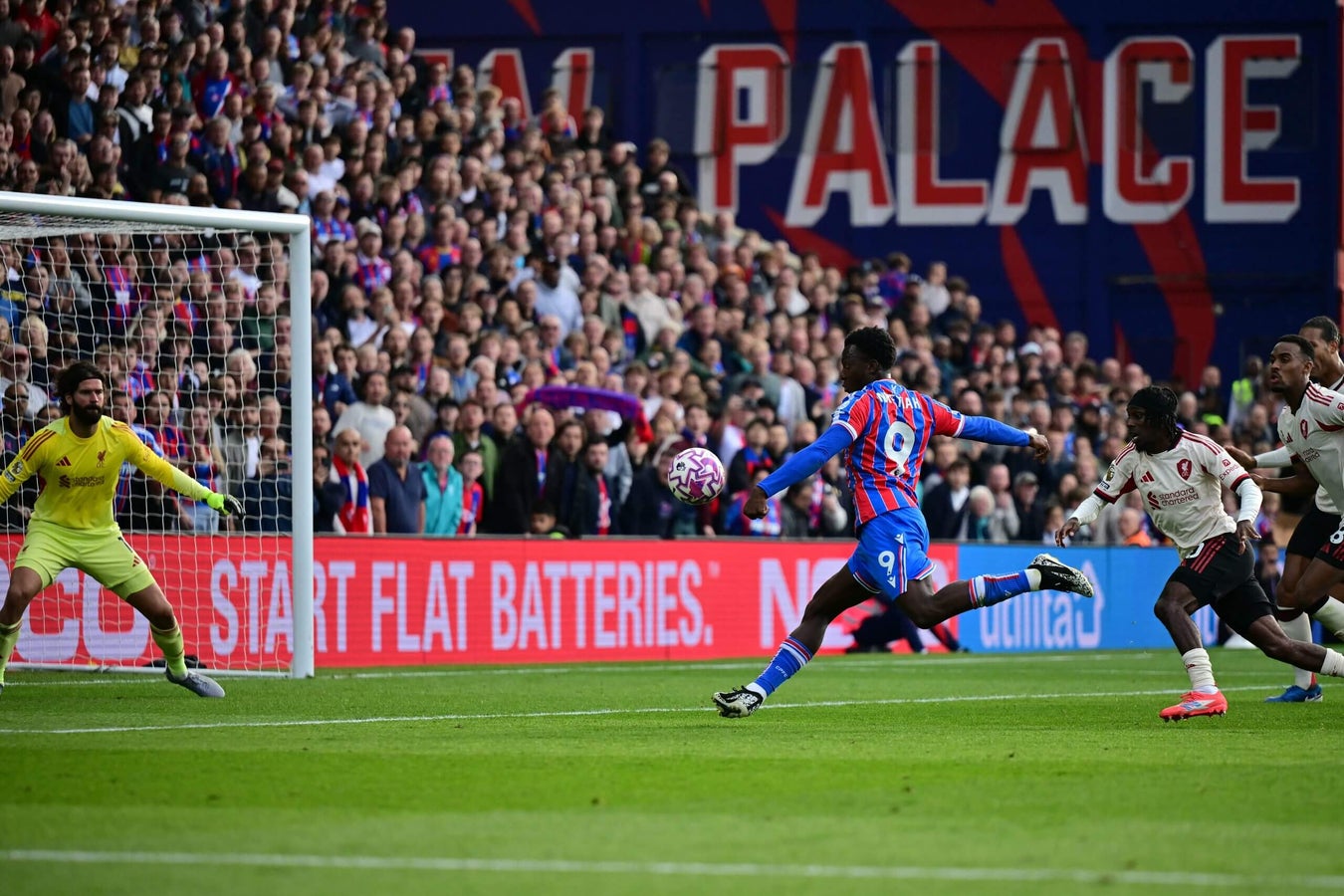
The 2009/2010 Premier League season featured distinct tactical tempos across competing clubs, producing predictable game-state trajectories that favored real-time in-play execution over pre-match positioning. Several elite and upper-table teams—most notably Arsenal, Manchester United, and Everton—consistently exhibited sluggish first-half rhythms, absorbing early pressure or conceding initial deficits before overwhelming opponents with late-game tactical adjustments and superior physical conditioning. For in-play bettors, this recurring pattern of second-half scoring acceleration created exceptional pricing opportunities on live Asian Handicap and goal total lines as the market overreacted to early match stagnation.
The Physiological and Tactical Triggers Behind First-Half Stagnation
Slow starts among possession-heavy sides in 2009/2010 were rarely accidental; they stemmed from systematic tactical probing designed to wear down opponent defensive structures. Teams employing intricate passing networks spent the opening thirty minutes circulating possession horizontally to test the lateral mobility of low-block defenses. This deliberate tempo suppressed early shot volume and frequently allowed counter-attacking underdogs to snatch opportunistic leads, causing pre-match lines to drift dramatically in running.
Monitoring live price movements across real-time feeds enabled participants to secure elevated odds on trailing favorites. An informed bettor tracking dynamic in-play fluctuations through a versatile betting interface could observe how live match spreads on ยูฟ่า168 ออนไลน์ shifted significantly by halftime, providing an advantageous entry point to back elite possession teams whose underlying chance-creation metrics remained fundamentally sound despite an early deficit.
Statistical Profiling of Second-Half Scoring Dominance
Examining goal distribution by halves across the 2009/2010 campaign reveals substantial asymmetries in when elite sides generated their attacking output. While mid-table outfits experienced steep scoring drop-offs in the final half-hour due to physical fatigue, top-tier contenders generated over sixty percent of their total goal tally after the 45th minute.
| Club | First-Half Goals Scored | Second-Half Goals Scored | Goals Scored (75–90+ Min) | Points Won from Losing Positions |
| Arsenal | 31 | 52 | 23 | 16 |
| Manchester United | 35 | 51 | 21 | 14 |
| Everton | 22 | 38 | 17 | 13 |
| Tottenham Hotspur | 28 | 39 | 15 | 11 |
| Aston Villa | 21 | 31 | 12 | 10 |
The tracking data highlights why blind pre-match wagers on heavy favorites frequently faced unnecessary drawdowns during low-scoring first halves. Arsenal’s remarkable tally of twenty-three goals scored in the final fifteen minutes alone demonstrates how late-game substitution quality and sustained territorial pressure systematically broke down stubborn defenses, making live second-half goal lines a mathematically superior wagering angle.
The Mechanism of Defensive Attrition and Late Box Breakdown
The physical collapse of defensive underdogs followed a predictable mechanical sequence as cumulative sprinting fatigue degraded zonal coordination.
Opponent Low-Block Absorbs 60 Minutes of Constant Ball Circulation
│
▼
Defending Midfield Screen Decelerates (Missed Tracking Runs)
│
▼
Attacking Side Introduces Fresh Wingers / Additional Striker
│
▼
Defensive Shape Fractures ──> Exponential Increase in Late High-Danger Chances
This structural decay explains why teams that appeared defensively impermeable for an hour routinely conceded multiple goals in rapid succession between the 70th and 85th minutes.
Managerial Substitutions as Immediate In-Play Catalysts
In-play handicapping during this era required closely analyzing how elite managers utilized their benches to alter game flow. Sir Alex Ferguson and Arsène Wenger frequently withheld direct, pacy attacking assets until the final thirty minutes, specifically targeting exhausted opposing full-backs. The introduction of fresh attacking width completely changed the spatial dynamics of the pitch, instantly accelerating cross frequency and inside-box touches.
Recognizing these live personnel adjustments demands sharp contextual reading rather than mechanical assumptions. In sharp contrast to the fixed, static mathematical outcomes delivered by an online casino, live football markets react to dynamic human factors where a decisive tactical substitution immediately alters the probability curve of an impending goal event.
Identifying Exploitative Entry Windows in In-Play Total Markets
The optimal window for live market entry consistently clustered between the 50th and 65th minutes, when bookmaker algorithms drastically shortened the implied probability of higher total goals following a scoreless or low-scoring first half. If a match entered the interval at 0-0 but displayed high shot volume, dominant territory, and frequent corner restarts, live total lines like Over 1.5 or Over 2.0 offered substantial risk-adjusted value.
- Corner and Pressure Clustering: Teams recording five or more first-half corners without a goal exhibited rapid second-half scoring reversion.
- Underdog Card Accumulation: An underdog backline carrying multiple first-half yellow cards became structurally vulnerable to aggressive one-on-one dribbling late in the game.
- Goalkeeper Workload Saturation: Goalkeepers forced into four or more difficult early saves rarely maintained that level of stop-efficiency across ninety minutes.
Synthesizing these in-match indicators allowed live bettors to bypass lagging pre-match spreads and enter positions precisely when the physical resistance of the defending side was on the verge of total collapse.
Risk Factors and Failure Points in Comeback-Chasing Strategies
Despite the proven efficiency of second-half betting models, chasing comebacks carried acute structural failure risks when specific defensive thresholds were met. When an underdog scored an early goal and possessed an aerially dominant central defense capable of clearing high-volume crosses, late attacking desperation from the favorite often degenerated into predictable, low-percentage long-range efforts.
Furthermore, early match dismissals completely invalidated standard comeback projections. An elite side reduced to ten men rarely maintained the physical capacity to sustain late-game territorial sieges, turning potential second-half surges into defensive damage-limitation exercises that doomed live over-goal and handicap recovery positions.
Summary
Analyzing slow-starting Premier League teams during the 2009/2010 season provided an exceptionally profitable foundation for live in-play wagering. Outfits like Arsenal, Manchester United, and Everton leveraged deep bench strength, superior physical conditioning, and tactical persistence to score the vast majority of their goals in the final half-hour. Successfully exploiting these late-game scoring surges required monitoring early defensive attrition metrics, tracking decisive managerial substitutions, and timing in-play entries between the 50th and 65th minutes when market prices prematurely discounted the likelihood of a late scoring flurry.